Using SketchUp to model Tiny Homes

I created a SketchUp model of the Tiny Homes at Sound Foundations NW, where they recently built their 500th Tiny Home. Amazing achievement!

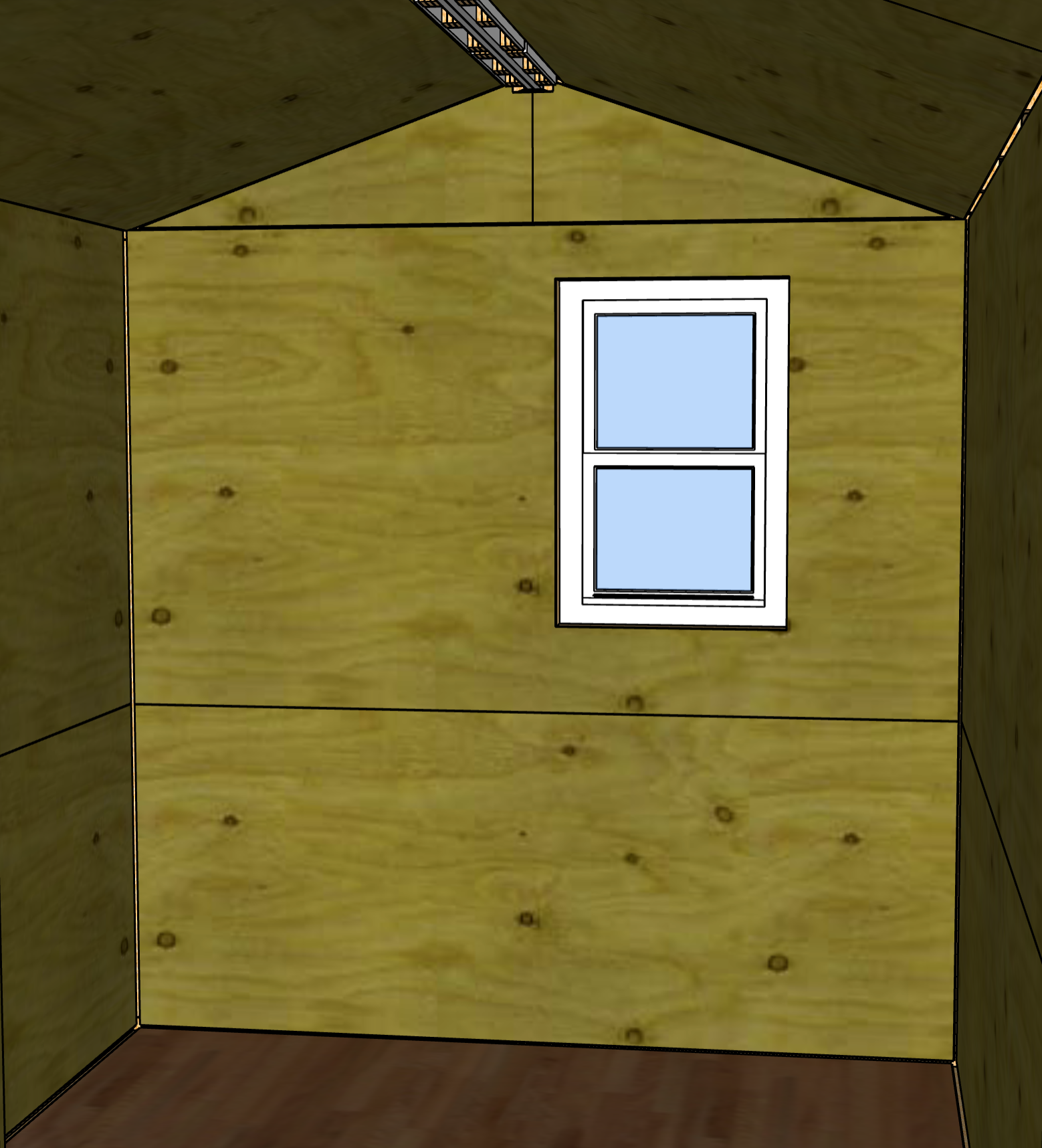
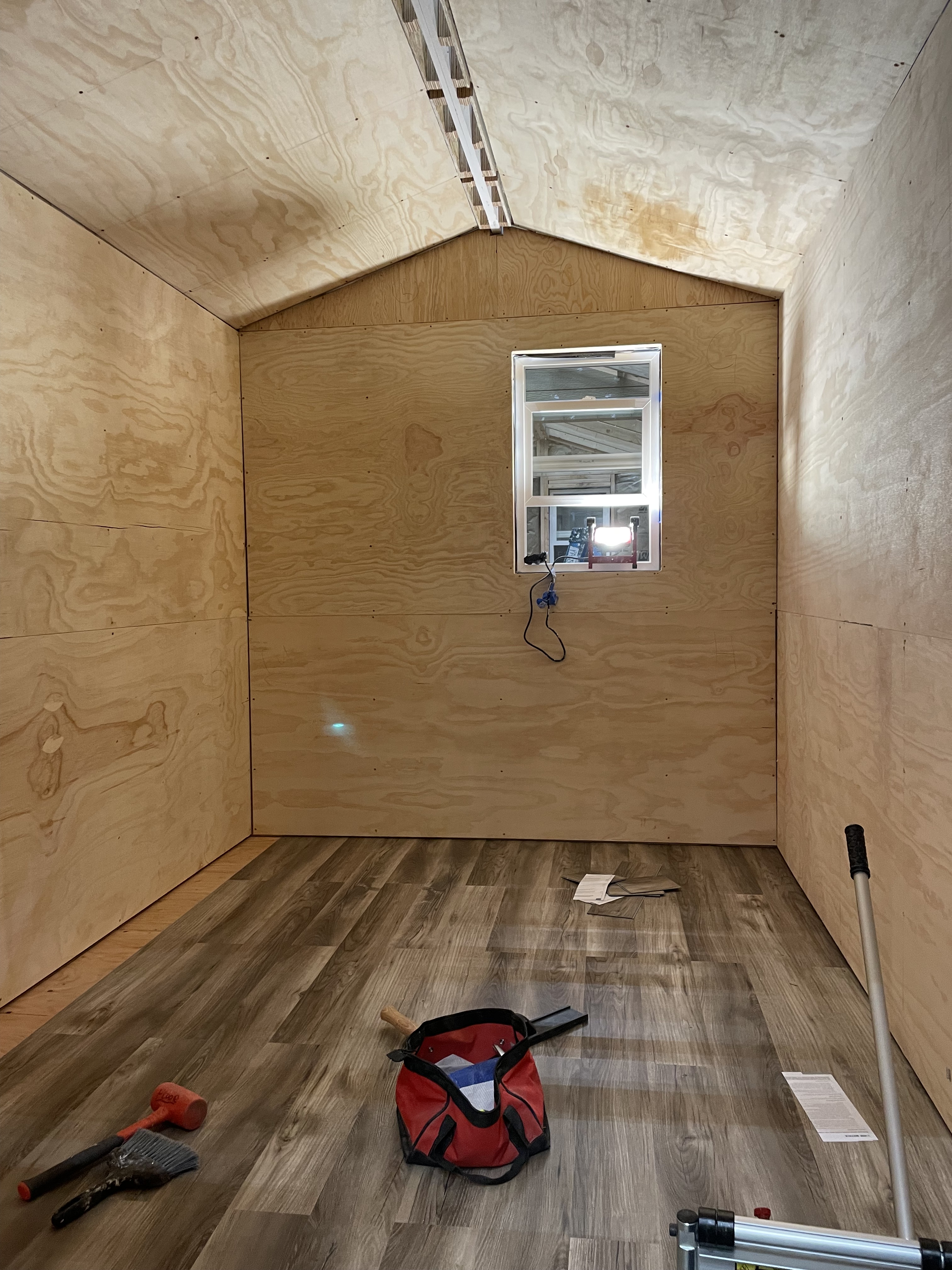
Here are some screenshots of the model compared to real life construction:

And an animation of how a Tiny Home is built using the SketchUp model. This was fun to learn how to do!

I’ve really enjoyed building this model in SketchUp – It’s a great way to flex my love of details, modelling things of unusual size (see chocolate bars), and getting to build something. We’ll be using it to help create some manuals with 3D instructions for tilting up all 4 walls, and getting the roof structure on the house.

The BLOCK Project – Permanent Tiny Homes in Seattle

I volunteer at two housing non profits in Seattle, Sound Foundations NW, which is focused on temporary emergency housing, and Facing Homelessness’s BLOCK Project homes, focused on sustainable permanent housing.

I’m a Team Lead / Lead Volunteer in both organizations, and I love being able to contribute something meaningful back to the community. This post is going to cover the amazing work that Facing Homelessness do, with the generous help of volunteer hosts in Seattle.

How does the BLOCK Project work?

The BLOCK Project builds permanent housing as an Accessory Dwelling Unit (ADU, aka “granny flat”) in a willing host’s backyard. The BLOCK project builds and pays for the ADU, including permitting and setting up utilities; they are also responsible for maintaining the home throughout its lifetime.

After the BLOCK home is built, Facing Homelessness reach out to vetted agencies to connect the host with a new tenant experiencing homelessness. The home owners are integral to this process and become part of a support network for the new tenant, which also includes case management and regular contact from Facing Homelessness for maintenance and check ins. The BLOCK home project has a 95% success rate of tenants remaining in permanent housing.

Each home costs $75k in material and site costs, which is significantly cheaper than the next-cheapest permanent housing option, at $300k.

The New York Times recently profiled the homes and the organization. I helped to build the house pictured in that article, and we’re also constructing that same house in this video.

What are the homes like?

The BLOCK homes are sustainable, fully contained tiny-home sized dwellings measuring 8’ x 16’ ft (or 2.4m x 4.8m, a total area of 130 sq feet / 12 sq metres) with a kitchen, bathroom and living area, plus an additional deck and storage room outside. They’re built for a single occupant and designed small, to fit into as many backyards as possible.

BLOCK homes are connected to the electricity grid and water utilities, but also have solar panels (net zero!) and rainwater collection. They are built with highly sustainable materials including Juniper – an invasive wood in the Pacific Northwest – for decking and siding, and they use sheep’s wool for insulation. The windows are triple-paned and European-style tilt-opened for insulation and temperature regulation. Facing Homelessness recently achieved Living Building Challenge certification for the BLOCK homes, which is the greenest and most sustainable certification possible.

In addition to all of their sustainable features, the BLOCK homes are just beautiful to look at. The Juniper wood siding has lots of stunning character, and everything is stained rather than painted. Each home installation includes hardscaping and landscaping, a stone patio and a beautiful garden of native plants. This is block home 15 nearing the end of its assembly phase.

How are they built?

The homes are built in two phases: the first is constructing prefabricated panels in a factory, and the second is prepping the site and assembling the house. That includes prep for electrical and water utilities, moving all the prefab panels to site, assembling the home together, and landscaping.

Both phases are heavily reliant on volunteers; there are only two (!) paid construction managers at Facing Homelessness who are often managing multiple jobs, such as coordinating volunteers, prepping tilt up days, conducting home inspections and repairs, and managing the factory.

The assembly is described as “IKEA on steroids” and is often done by groups of volunteers with no construction experience. The instruction guides for each panel are full of helpful diagrams. Volunteers are guided by a Lead Volunteer who trains them on various tools (e.g. nail guns, screw guns, domino) and checks for quality control. The panels are built on jigs, or templates, which allows each group to create identical wall, floor, ceiling, deck or siding panels that will later be assembled on site. The houses are reasonably complex; there are dozens of different jigs used in the factory, and there’s a set of booklets to describe how each panel is built and how it all fits together onsite.

My experience volunteering with the BLOCK Project (and how you can volunteer!)

I really like volunteering at the BLOCK Project because it shows how complex a house is to build, with so many moving parts that all need to be precise. They’ve somehow made it straightfoward for people with no experience to build meaningful parts of a house, which is impressive when the house needs electrical systems, plumbing, ventilation, insulation, fixtures, and forms a tight, weatherproof envelope.

I’m currently a Lead Volunteer at the BLOCK Project and I help to guide groups of volunteers through building on the jigs. A lot of people are new to construction when they volunteer, and it’s fun for them to see a wall or section being built. We get volunteers to sign their name on the inside of a panel when they’ve finished building it.

I also spend extra time weekly with additional Factory/Shop support – helping to clean, reorganize, build new shelving, sort & catalogue materials, and random maintenance.

There’s a cyclic nature to the BLOCK home; there will be periods of a few months where the factory in Georgetown is active building all of the home components, then other times where the focus is on a new housing site, in prep or assembly. If you’re in the Seattle area, you can sign up for volunteer slots on their website.

I love the community-minded drive behind the BLOCK Project, and I’m fascinated with the potential to construct lots of permanent housing in an area where housing is expensive and scarce. I am eager to see where Facing Homelessness and the BLOCK Project go from here.

Building Tiny Homes in Seattle

After 6 years working at Amazon, I decided to take a career break in late 2022 to explore some of my interests – a cross section of sustainability and housing. I’ve been volunteering at two different Seattle-based housing nonprofits with my time off:

This post is focused on the tiny home builder Sound Foundations NW, which has an amazing factory in SODO in south Seattle. They churn out 4 tiny homes per week almost entirely on volunteer labour, and I’ve been volunteering once or twice a week since August 2022. I had heard about Seattle’s tiny houses a while ago, but had not had the chance to visit until last year.

Why Tiny Homes?

The tiny homes are an emergency transitional measure to get someone living in a tent or vehicle off the streets until they can move into more permanent housing. Residents are put into tiny home villages, where they have access to their own secure and lockable tiny house. The villages usually hold about 30-60 houses, have separate kitchen and bathroom facilities, food, a mailing address, a supportive community, and social services.

People stay in the tiny homes for 114 days on average, and almost 50% move on to permanent housing after they leave, compared with the national emergency shelter average of 12%. Overwhelmingly, people experiencing homelessness prefer tiny homes to traditional shelters. Each tiny home built in the Sound Foundations NW factory can help 3 people on a path out of homelessness every year.

What does a Tiny Home look like?

Each tiny house measures 8’ x 12’ (or 2.4m x 3.6m). It’s sturdy and well-built, and large enough to hold a bed and shelving unit with space for personal belongings.

On the outside, they have a weatherproof barrier, siding, trim, a shingled roof with eaves to protect from water runoff, and a lockable door. They are professionally spray painted a variety of different colours to mix and match when in the village.

They’re finished to a nice standard, with vinyl wood flooring, wooden trim, painted walls and two windows (front and back) for cross ventilation. The houses are wired up with an electrical socket so that residents can charge devices and plug in a heater during winter.

Each house costs $4300 in materials (2023 pricing), and takes around 174 hours of work to complete. The factory is run almost entirely on volunteer labour. There is only one paid employee: Barb Oliver, who’s been running operations in the current location since 2020.

Volunteering at the Factory

Volunteering is open to everyone over the age of 16! Some people come in on a regular basis, but there are many people who volunteer just once, through corporate or community groups. Individuals also come in after hearing about the factory and wanting to see it in person.

Barb takes first-timers on a tour of the factory, and also explains how the tiny house villages work. Most of the time, a corporate or community group will be involved in a “tilt up”: we take a pile of raw materials, build a bunch of individual components, and by the end of the day we will end up with this:

As someone who loves to see things work well at scale, I am honestly amazed at how this works. Many of the groups have zero experience in construction or using power tools. The factory has only one paid employee. How do we end up with a framed house after 6 hours?

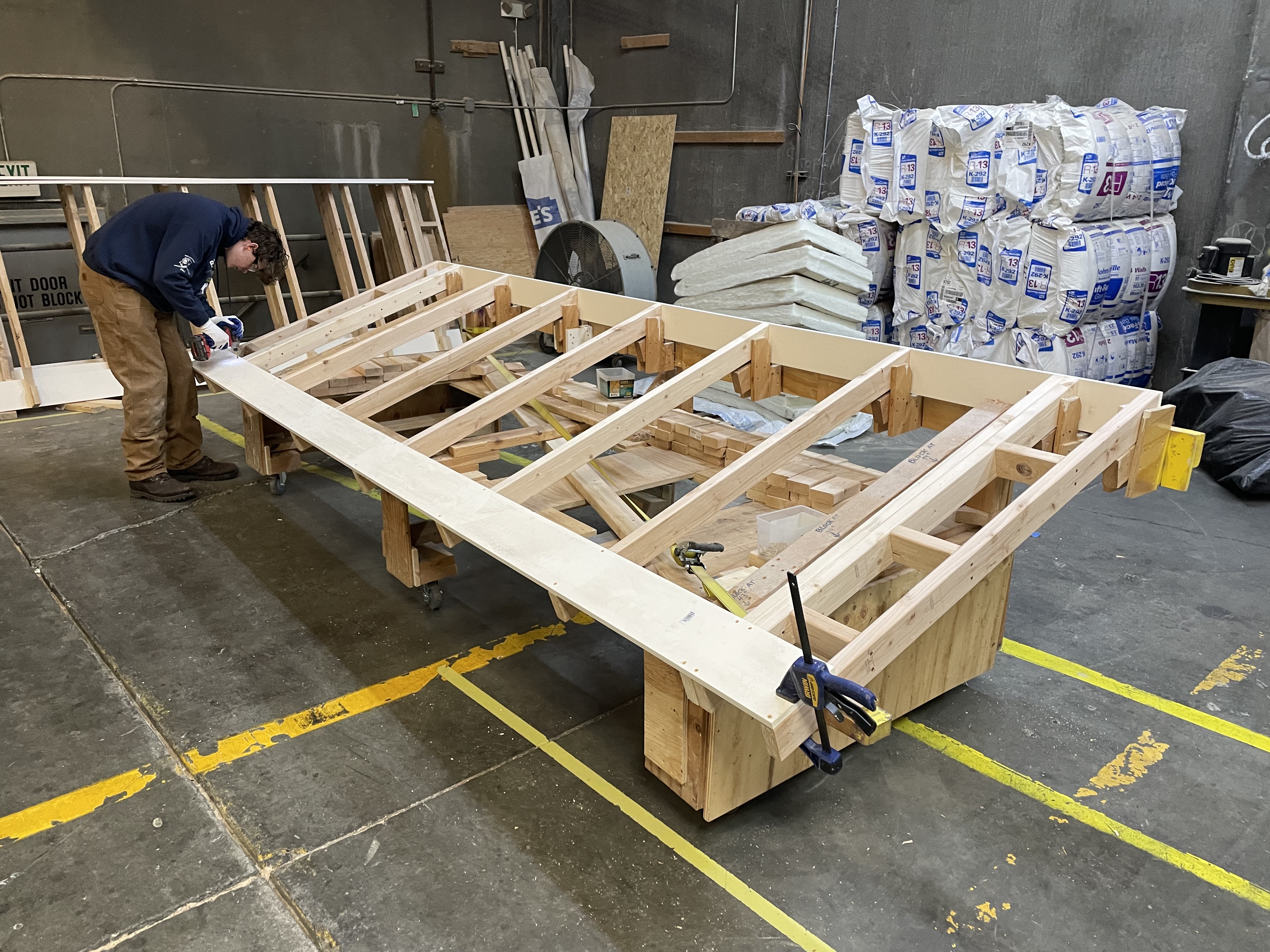
The factory has a series of “jigs” – aka templates – for different parts of the house: walls, floor, roof frames, etc. Almost all of the materials that we use in the jigs are pre-cut in advance and set up to be easily accessible on a tilt up day. A more experienced volunteer takes the role of “Team Lead” and will help between 1-3 new volunteers build a piece of the house, such as a side wall. The team lead will teach them how to use a nail gun, supervise as they start attaching pieces together, and do any troubleshooting or finish work. By lunchtime, there will be a completed side wall.

After lunch, the group works together to bolt the newly-built walls to the newly-built floor. We then attach the roof to the hold the frame together. Not only is the house framing done, but the walls are already weatherproofed, sided, and joined together.

If there’s a tilt up on days I volunteer, I am often a Team Lead – but I like being a regular crew member. My favourite things to do on the houses are adding the floors and interior trim, when the unfinished house starts to look like a polished room.

If you are in the Seattle area and would like to find out more, sign up for the Sound Foundations NW newsletter, drop by the factory (tours run every day except Friday) or sign up for a volunteer shift. New spaces are released every Wednesday for the following week, via the newsletter.

My Ode to Twitter

One thousand, nine hundred and seventy tweets.

That’s my entire tweet history, fourteen years of my digital life (I guess more like the first seven, until I stopped tweeting around 2016).

That tiny number doesn’t really convey what Twitter meant to me: the relationships it created, and the opportunities I received. If I were to write all those words in a single story, I don’t think they’d have had the same impact. The power was in snippets of conversation over time.  

I joined in 2009, when I got my first smartphone. It was kind of exhilarating to be able to send your thoughts into the wild and see someone respond in real time – especially random people you’d never met (this was an era before major trolling). My circles of friends would banter publicly. I began to attend a lot of tech conferences, and I’d tweet my thoughts & reactions while I was there. The asynchronous and flat nature of Twitter was great for this – I wasn’t the kind of person to immediately speak up (hello, minority person in tech!) but I could still join the conversation. The limit of 140 characters forced me to be succinct and thoughtful at the same time. I loved that the bar was low; you didn’t have to write an essay.

Twitter was my community. I joked with my colleagues while sitting next to them. I found an amazing and supportive community of other female engineers. I didn’t realise how much I was missing that support, or what a difference it would make to my confidence.

Twitter was my expanded CV. My tech tweets connected me to authors, speakers, and prospective employers. I linked to my projects, my talks, my podcasts; I could retweet others’ praise or feedback to validate my perspective. That track record was enough to open doors later in my career – people offered me jobs, invited me to conferences, asked me to connect them to people, or wanted to discuss collaborations. A lot of that faded as I stopped tweeting, and eventually moved to Amazon in Seattle, but it was hugely meaningful to me at the time.

Twitter was my tech library. Links to great resources, blogs to engineering culture, and particularly other phenomenal women in tech, or stories about how they were being failed and ignored. I curated a collection of those articles as a reference to give to others, when the inevitable “why aren’t there more women in tech?” question came up.

Twitter was a curated stream of consciousness; a place to share things too good to be kept to myself. Some stunning pictures of places I’d visited, or a particularly delicious cake. A one liner that I knew would make a specific person laugh when they read it. A place to explain my weird Australian perspective on British or American things.

I feel a surprising pang thinking about Twitter going away, even though I don’t actively post on it today. There is more than a decade of me catalogued – a lot of my professional growth, and serendipitous connections. Even now, I can’t get some of that back. People have deleted their own tweet histories – I acknowledge that going back 10+ years is a long time to preserve – but also, Twitter, after being horrendously gutted in the last few months, seems on a slow slide towards the garbage heap.

I hope that Twitter survives, but if it doesn’t, I want to acknowledge what it’s meant to me. Thanks for everything.

Six Months in Seattle

Edit: I found this in my drafts folder after six years (!) I did some minor edits, but it’s otherwise a snapshot of our lives in mid-March, 2017, and it made me laugh as well as brought up a bunch of nostalgia.

Yes, I can’t believe it’s been six months already!

There’s a lot to process when you move countries. Even simple things, like going to the supermarket (“grocery store”) and getting some takeaway food (“takeout”) can be a challenge, because you have no point of reference on what’s good or bad, or even the correct terms to communicate (“they use the word entree for the main meal?!”)

If you’re Australian, and you’ve thought about moving to Seattle for Amazon, you’ve probably run into Diary of a Pampered Housewife. If not, she’s written an awesome guide to Aussies relocating to Seattle and if you’re thinking about moving here, you should go read it.

Weather

There’s no getting around it: Seattle is pretty grey. It doesn’t rain all the time, but the clouds have been here since October. Also, they (whoever “they” are) told us it doesn’t rain very heavily, so you can get away with not needing an umbrella. They were lying.

People tend to walk around with waterproof shells – think North Face, Marmot, Columbia, etc – to keep the water out. This works to a point, but if you’re trying to protect a laptop on your back, you need an umbrella or rain cover for your bag, too.

Waterproof shoes are also a key to success. Somehow, you can tackle anything when your feet are dry. We became friends with REI.

I own an ultra light down coat from Uniqlo that squashes down to nothing. I love it, it’s vaguely water resistant, and it keeps me warm through anything from -5 to 15 degrees (that’s 22 to 59 in foreign-speak) using additional layers when it’s below 5.  I supplement it with a Columbia rain jacket or an umbrella when it’s really heavy.

When it’s raining solidly for a whole month, like what happened in October 2016, even an umbrella and wellingtons won’t save you.

Fashion

The outdoors and the rain make Seattle a very casual place, which suits me and my capsule-like wardrobe just fine. I have ditched all shoes that have heels on them. I have four “active” pairs of shoes, a far cry from the 50+ pairs I used to own ten years ago.

Trail shoes are pretty normal around the office. A lot of restaurants and bars are super casual. I don’t feel weird carrying my backpack around. I’ve refactored my handbag (“purse”) into pockets on my jacket, plus my phone with credit cards. I no longer have that annoying problem when you switch handbags to suit an outfit and forget to transfer everything over.

Money

US dollars aren’t very accessible, in the making-it-easy-to-use-for-everyone sense. Every note is the same size, and the same colour. I get confused carrying a wad of monotonous green notes around, so I solve the problem by not using any at all. Everything goes on my card.

On the one hand, I love it because I don’t have to carry any physical money around. On the other hand, America is so far backward that I can’t believe I’m even going to type this out. We pay for our rent by cheque. Yes, you read that correctly. Cheques, in 2017. But at least I don’t have to write it out every month, because our “internet banking” service automatically writes the physical cheque for you and physically mails it to the person you want to pay.

…I know, right?

Also, unlike most modern economies, you can’t transfer random amounts of money to other people’s bank accounts, so people start using third party services. I guess you win some, lose some.

Outdoors

If you like the outdoors, Seattle is a great place to be. It’s surrounded by mountains, which are nice to hike on in summer, and all that rain gets converted into a lovely dusting of snow for winter.

We can drive to several snow fields that are 1-2 hours away, and have done so multiple times since December. Since we’re so close to snow, it opens up a lot more possibilities for snow activities besides just downhill sports. We’ve been snowboarding, cross-country skiing, snowshoeing, and just plain hiking on snow. It’s all beautiful.

In Autumn, the trees start changing colour, the air is crisp, and it’s fresh. I like that I can get to this less than an hour from my house. In Sydney, after an hour of driving, I’m probably still somewhere on Parramatta Road.

The latitude of Seattle means that it gets more sunlight than London does, so standing in the sunlight in February actually feels warm. And it’s further west in its time zone, so in February it’s still light at 6pm. There’s a lot you can do with that.

We’ve been told the summer here is amazing – reliable dry, clear weather. Can’t wait 🙂

Transport

When we moved here, I had very firm visions of continuing to catch public transport. I’d embraced the habit in London, and we lived near a train line in Sydney. I hate driving, and I hate traffic, so public transport is a win-win. Seattle is also a liberal city as US cities go, so I figured the transport would be reasonable.

However, Seattle doesn’t have a lot of different types of public transport. Most of the city relies on buses. There is one rail line, but it doesn’t go near to work. Unfortunately, buses get affected by road traffic, so timetables are a bit fictional. The buses are also crowded. It’s not uncommon to watch a bus or two pass your stop in the evening. Anytime between 4:45pm and 6:30pm is a royal pain to get home.

After one month of constant rain (the wettest October on record), followed by the coldest December on record, we capitulated. We started driving our car to work.

Food

The pacific northwest has a reputation for some good local produce. It’s around, but compared to the quality of food you can get in Sydney, it’s just not the same. You will, in fact, be disappointed if you randomly stop in somewhere. We’ve found food to be very salty and very “blunt”, for lack of a better word. There’s usually one overwhelming flavour profile – e.g. sweet or smoky – and a lack of any other dimension.

I miss being able to stop into a random cafe in Sydney and trust I’d get a decent meal. We’ve spent a lot more time cooking food ourselves, and researching any restaurants before we drop in.

Culture

It’s a small-big city, which means you get all the amenities of a city, but the perks of less crowds. Parking is easy. Getting tickets or going to restaurants is generally easy. There’s space to breathe.

If you’re a nerdy introvert, Seattle is pretty awesome. There’s a big board game culture, including game cafes which let you play games for free. Since I’ve passed the stage of getting trashed on a Saturday night, the games are fun. And cheaper than alcohol, and open until 11pm on a Saturday night. I love it!

The city has a reputation for the Seattle Freeze. I am unsure if it’s an American thing in comparison (i.e. Americans are overwhelmingly open and chatty people by default, so the relative introvert-ness of Seattle is confronting) but we haven’t found it particularly freeze-like, but we hang around with a lot of foreigners, since Amazon is full of them. We do, however, notice the distinct lack of swearing at work. Also, people don’t really do drinks or much after-work socialising. Drinks are over in an hour (only an hour?!). We’re also not sure if this is an American thing, or an Amazon thing. More research to come.

Miscellaneous

The amount of junk mail here is ridiculous. There’s some kind of weird scenario where the US postal service is an enabler of junk mail, because it’s one of their main sources of income. It’s incredibly screwed up.

Americans are also big subscribers of things. People are always asking if you’ve joined their club, so they can send you a 0.1% discount and a message on your birthday every year, in exchange for mining your purchasing history and selling your data to broker. Thanks, but I’m good.

Donating money to an organisation means you’re suddenly on their email and physical junk mail lists, with no way to opt out (yes, I am looking at you Planned Parenthood – way to say thanks). It’s made me think twice about who to give my money/data to in future.

Diversity at NDC London

Jakob BradfordJon Skeet, Chris O’Dell and I have exchanged a number of emails, Google Hangouts, and suggestions in the past few months that could be used to improve diversity at NDC conferences. I was a speaker at NDC Sydney, and it was one of the most heavily gender skewed events I had attended in years.

Ultimately, NDC London 2017 ended up at 23% female speakers. That’s a great result compared to the gender diversity numbers at the Sydney NDC conference. I am keen to see if the attendee ratio changes as a result. NDC have also promised a blog post on the history of their diversity numbers, and what their plans are for the future to continue to improve.

For other reasons, I’m not involved with NDC any more, but I wanted to say congrats to the London committee, and especially to Chris O’Dell, my ex 7digital colleague and friend, who helped to shape that agenda. She’ll be speaking on How to get your submission accepted at NDC London.

The Agenda is out – NDC London 2017 from NDC Conferences on Vimeo.

NDC Sydney

NDC Sydney wrapped up last month, and because it happened between a bunch of other things (preparing for our move to Seattle, recording the podcast with Scott Hanselman, a conference call with Jon Skeet & Jakob Bradford – post coming soon!), I hadn’t take the time to digest it all.

My talk

First, my talk – Video Transcoding at Scale for ABC iview. It was the last rendition of this talk I’d be giving, especially since I’ve already left the ABC. I’m glad I got the chance to present it one last time. I’ve written about my general experience with public speaking, and lessons learned. Here are the slides:

It was so nice to see feedback from my talk on Twitter 🙂

Other talks

A lot of the content at NDC was quite Microsoft heavy (not surprising), however I really enjoyed some alternative talks that weren’t about MS tech.

Lynn Langit’s session on Teaching Kids Programming was a highlight! Having done a lot of work writing tutorials before, and running sessions for people to learn, I understand how much work has been put in to produce the course materials. It was so inspiring hearing what the kids can do, and seeing some examples.

Lars Klint’s talk on Mastering Your Inner Developer was a really personal story.  Judging by twitter traffic, a lot of people really loved the session.

Tess Ferrandez’s a Developer’s Guide to the UX Galaxy was also really interesting. What are the tenets of design that we should be aware of, and what happens when they go wrong? She walked us through Microsoft’s 12 UX guidelines. Unfortunately I can’t find a link to the cards she was using, but it was a great checklist.

Niall Merrigan’s session on black hat tools was eye opening. I learned that all devices on the internet can be scanned in 2m30s if you have enough machines to do it. So, don’t rely on security through obscurity.

I met some pretty awesome people, and got selfies

Yes, that’s right, I totally did.

From left to right:

  • Scott Hanselman
  • Niall Connaughton – my other half who was also speaking at NDC
  • Tess Ferrandez
  • Troy Hunt
  • Jon Skeet – note the #HeForShe shirt! I love, love, loved that he publicly called out for better diversity.

Diversity

As I mentioned above, Jon Skeet publicly issued a challenge to improve diversity, both with a #HeForShe shirt, and a mention at the beginning of both his talks. It was my favourite moment of the conference. ❤

Subsequent discussions led to a conference call with Jon and Jakob Bradford (one of the NDC organisers) to discuss strategies to increase diversity at future events. More on that in a separate post shortly.

Organisation & Social events

The most challenging aspect is seven speaker tracks, which makes it difficult to pick which session you go to. (And as a speaker, knowing you’re up against 6 other people!)

Having said that, NDC is very well organised. Some really big name speakers, there’s plenty of space in the agenda to mingle, professional AV and video recording, and the social events – a boat cruise, drinks, and lightning talk PubConf – are well catered. Love the conference swag too – a black hoodie that I’m actually using!

Looking forward to next time, and keen to see next year’s speaker lineups!

My podcast with Scott Hanselman

Yes, that’s right – I recorded a podcast with Scott Hanselman 😀 There’s a story behind it too…

I bumped into Scott at NDC Sydney. It was the evening before the main conference started, and we were both helping out with the Kids Code Club. We started chatting about what I was presenting on Thursday – video transcoding systems, cloud services, various price points, why our new system was worth building.

Scott: “Hey, would you like to do a podcast? It’s just a really casual chat, just like this.”
Me: “Sure! Sounds good.”

Just to make sure I was prepared, I wrote some notes about video transcoding, AWS services, and reviewed bits we’d built in our system. A couple of weeks later, we caught up via Skype:

Scott: “Great, thanks for doing this! It’s usually best to talk about something you’re really passionate about. What would that be?”
Me: “Um…” thinking: video transcoding is pretty awesome, but it’s not my #1 super-fun-happy-thing. But now I have to come up with thirty minutes of content I haven’t prepared…

I’m not really good at impromptu. That’s why formats like my blog (where I can draft things), and public talks (where I can prepare), work okay for me. So doing a thirty minute discussion flying blind was a terrifying prospect.

However, Scott was really, really supportive. After some back and forth, we came up with a blend of topics that include continuous learning, becoming more social, finding your tribe, and making it work for you. You can listen to the podcast here.

I’ve got a healthy respect for Scott’s work now that I’ve seen how much time, effort and support he puts in to the things he does.

If you haven’t heard Hanselminutes before, give it a try. There’s some great slices of developer life in there. And now I’m one of them. 🙂


Lessons learned in Public Speaking

Every year, I try to learn something new. 2014 was javascript, 2015 was back to CS fundamentals, and 2016 is my Year Of Public Speaking.

I’ve been lucky to be able to present the same talk multiple times this year, which is an overview of the new video transcoding system we built at the ABC:

  1. Internal presentation at the ABC (March)
  2. Public presentation at ABC’s tech talk night (March)
  3. YOW! Night talk in Brisbane (April)
  4. YOW! Night talk in Melbourne (April)
  5. YOW! West Conference in Perth (May)
  6. YOW! Night talk in Sydney (May)
  7. NDC Sydney (August)

Each time I presented it, something changed before I gave the next version. The talk has evolved a lot during these months, and I wanted to share some of the lessons I learned doing multiple renditions, and public speaking in general.

Invest time in your talk abstract

Put the time in to write your abstract well. it lives everywhere, it sells the talk before you arrive, it entices people to attend. It’s your advertising. Don’t neglect it. I wish I’d done mine better in early versions. I was pretty happy with the last one at NDC Sydney.

Show it to someone and ask for feedback. Would they attend your session? Does it accurately represent your talk?

Sarah Mei has done a great breakdown of what your conference proposal is missing. It’s also good to trawl through conference agendas and see which proposals interest you, and why – take notes!

Say less than you think you should

If you’ve done some research, then heed the advice you read everywhere: leave space to breathe, and say less. Craft your message around a central point and chop out the excess, no matter how interesting.

Humans are creatures of relativity; we forget how much we know about something, given that you’ve probably spent weeks, months, or even years on it.

The audience doesn’t have the benefit of those months or years of background understanding the topic like you do. They won’t absorb everything. Nor will you be able to cram everything from one year into one hour.

What’s the most important thing you want to say? Or the top 3 things? Select content to include to support your message, rather than selecting things to exclude. You’ll have a more coherent message, and the audience will feel less overwhelmed. Don’t be afraid to repeat things often.

Craft your story

Read some advice on how to construct a narrative, and tell a story. Don’t just list the facts – make it something they can get involved in.

There are a few story “archetypes” detailed in the TED Talks Official Guide to Public Speaking that I found useful.  An example story archetype is introducing a challenge, and then unmasking step-by-step how you solved it. The audience gets to play along, and “solve” the challenge with you, which leads to more engagement.

Ultimately, as Zach Holman says, talks are entertainment.

Devote time to your slides

A well-designed slide set can support and reinforce your message in amazing ways. Great slides are really valuable. I believe they’re worth as much time as you can spare, and they can give you more confidence if you’re a newer (or nervous) public speaker. For example, you can use funny images to inject humour if you’re not normally great with joke delivery. The slides help you cheat. The better you are at public speaking, the less you need the slides as backup.

Here’s an example of using slides to reinforce your message. It’s much nicer to see these 3 slides in sequence, while you explain what’s happening – we take a watermark, make it 30% transparent, then resize it:

output_vddsYs

And here are the 3 separate slides:

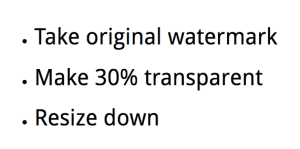
Compare those visual ones to a text slide:

watermark-text

Sure, the second slide takes less work to create. But the first set of three look prettier. They easily convey your point, and nobody has to read text to digest it. If your audience understands what you’re saying – through word, or through visuals – then you’ve done your job well 🙂

Learn some public speaking techniques

Invest in some classes, read some books, or watch videos to learn about public speaking techniques.

This can include a training course, (I was lucky be part of YOW’s Women in Tech comp in 2015, and absolutely encourage you to enter if you are a woman in Australia), but I have also since done a course with Public Speaking For Life in Sydney, which focuses on more general delivery techniques. I found both very valuable, and PSL offer multiple courses throughout the year.

I highly recommend watching Damian Conway’s Instantly Better Presentations on how to deliver a good technical presentation. He specifically covers technical issues, like demonstrating code. His intensive public speaking courses are great.

The recent TED Talks book is an easy read, and Amy Cuddy’s TED talk on body language was really helpful.

Another great thing to do is to watch other people deliver talks, and see which ones you found compelling. What did they do to make you feel engaged?

Practice. Lots.

Although I ran through my hour long presentation multiple times, it’s way too much content to know off the bat. But the more I ran through it, the more comfortable I got with the content, and the less nervous I would feel on stage (this was the theory).

This Wait But Why article explains the science of different levels of memorisation (with graphs, and everything!) and is seriously entertaining to boot.

A few techniques I used to familiarise myself with the talk:

  • Recorded my voice rehearsing various sections, a) standing up and b) including intonations and pauses and then played it back to myself on the way to work, or at lunch.
  • Rehearsed in a similar position to the real talk – Standing up, not facing my computer, etc.
  • Bought a clicker and practiced with it.
  • Checked the speaker notes were visible, and easy to focus on.
  • Recorded myself to see if I should adjust anything with body language or gestures.
  • Got someone to watch me in practice, and welcomed their feedback. I did this multiple times.

My story

A few years ago, I’d never want to stand up in front of an audience and talk about something. I didn’t feel qualified enough, or interesting enough.

I’m really proud that I got to the stage of doing all those talks, and how they turned out. The talk feedback has been great, and it’s fun being a speaker. People are interested in what you have to say. You also get to be in situations you wouldn’t be otherwise, like chatting to Tess Ferrandez, whose debugging tutorials I used years ago.

However, the reality is that someone else always pushed me to try. Dave Thomas, who organises YOW, repeatedly encouraged the Women in Tech competition speakers to submit talks for proposals. Sam Newman told me I should submit to NDC Sydney.

My next goal? Submit a talk somewhere, and get it accepted, without someone pushing me to do it. And to get my fellow women in tech up and talking too. 😀


Presenting at YOW! Nights in April

Following on from last night’s presentation at the ABC on our new transcoding service, Metro (which went really well!) I’m excited to announce that I’ll be presenting the same content in Brisbane, Melbourne and Sydney, thanks to YOW!

Metro currently transcodes all the content for ABC iview and has successfully processed thousands of pieces of content since launch in December 2015. It’s built using Node.js, Go, FFmpeg and various AWS services such as queues, notifications, autoscaling groups, and a hosted database.  If you’re curious to learn more, come along!

I’ll be presenting on the following dates:

If you’d like a sneak peek, slides from last night’s presentation are underneath – but obviously it’s going to be much better in person 😉

Hope to see you there!